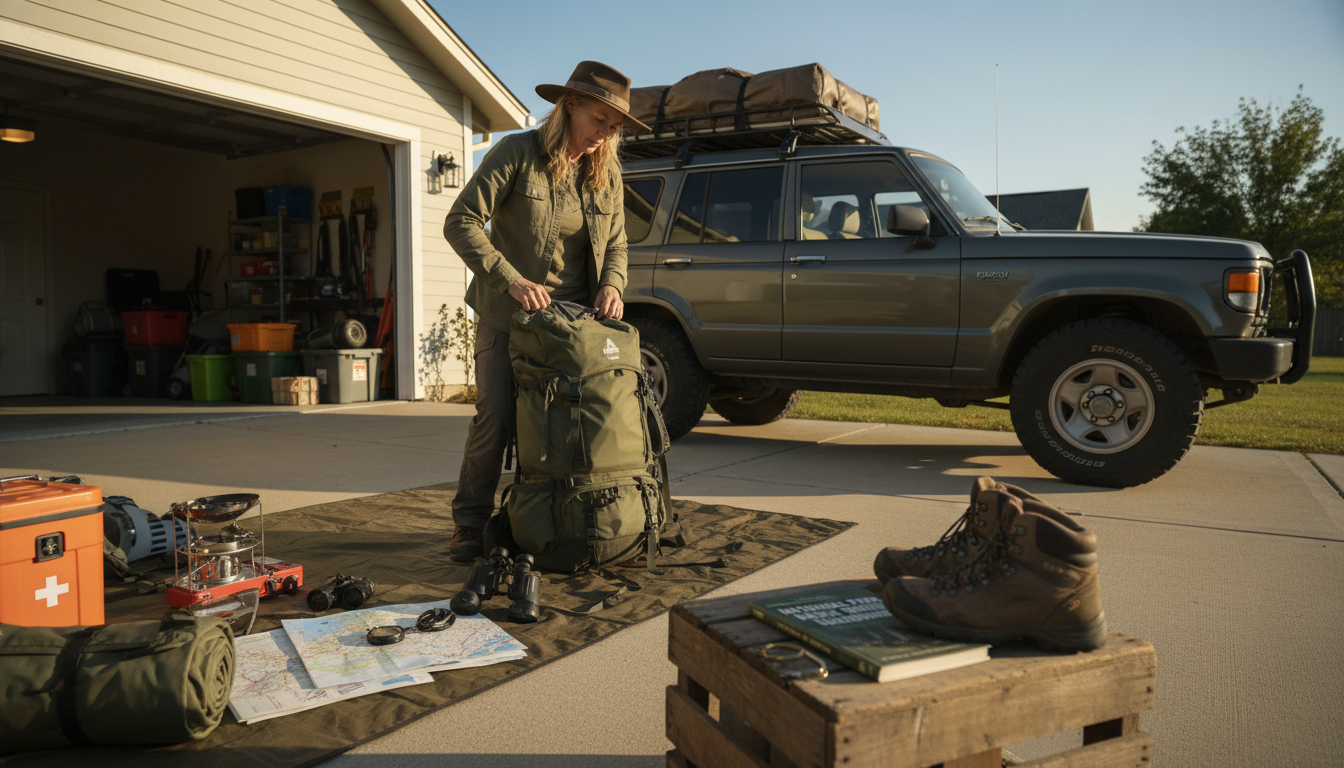
Becoming a national park guide is a mix of park knowledge, visitor-ready communication skills, and the right credentials for the kind of guiding you want to do. Some guides work directly for the National Park Service (NPS) or partner organizations, while others operate as permitted commercial guides. The path you choose affects the training, background checks, and approvals you’ll need.
Start by deciding whether you want to be a park ranger/interpreter (typically a federal job), a volunteer interpreter, or an independent guide operating tours. Federal roles generally require competitive hiring and may include seasonal positions. Independent guides usually need a commercial use authorization (CUA) or similar permit from the park where they operate.
Strong guiding comes from real-world practice: public speaking, group management, customer service, and solid safety judgment. Helpful experience includes leading hikes, teaching outdoor education, volunteering at visitor centers, or working with local tour companies. Wilderness first aid or first responder training is a major plus for backcountry or adventure-focused trips.
Great guides go beyond highlights. Study the park’s natural history, geology, wildlife, cultural sites, and current regulations. Learn Leave No Trace principles and understand seasonal hazards (heat, lightning, wildlife activity, river conditions). Visitors remember guides who can answer questions accurately and keep groups safe without overstating expertise.
If guiding independently, check each park’s rules for commercial tours, permits, fees, reporting, and approved activities. Many parks require proof of insurance and may restrict group size, locations, or operations during sensitive seasons. Plan routes, backup options, and emergency procedures before you take paying guests out.
For a step-by-step breakdown—including training ideas and what to expect from the application and permitting process—visit TouchCasa’s guide on becoming a national park guide.
It depends on the park and how you operate. Many parks don’t require a “license,” but independent, for-profit guiding often requires a permit (such as a CUA) plus insurance and compliance with park-specific rules.






Leave a comment