Balanced lighting comes from a clear plan: what tasks happen in each zone, what mood the room should carry, and how ambient, task, and accent layers work together. This planner-style guide breaks the process into quick, printable steps—so fixture choices, switch locations, and bulb decisions feel organized instead of overwhelming.
Start With the Room’s Purpose and Mood
- List primary activities by zone. Write down what happens where: a reading corner, vanity, cooking run, TV wall, or an entry drop zone. Each activity needs its own “best light,” not just more light.
- Define the mood in plain words. Choose a few: calm, bright and energetic, cozy, dramatic, gallery-like. Note where the mood should change—day vs. night, weekday routine vs. entertaining.
- Decide what needs control. Dimming, separate switching for layers, and scenes (cleaning, relaxing, hosting) make the same room feel intentional instead of stuck on one setting.
- Quick check: If the room only has one overhead light, plan at least one additional layer to reduce glare and harsh shadows.
Measure, Map, and Mark Constraints Before Choosing Fixtures
- Sketch a simple floor plan. Include doors, windows, seating, bed placement, counters, mirrors, artwork, and TV position. Even a quick hand sketch helps prevent “pretty fixture, wrong spot” mistakes.
- Record ceiling height and obstacles. Note beams, soffits, sprinklers, ceiling fans, and sloped ceilings. These affect both placement and what styles look proportional.
- Mark power realities. Identify existing junction boxes, available circuits, and where new wiring is feasible. This is where your plan turns into a realistic shopping list.
- Flag reflective surfaces. Gloss paint, mirrors, polished stone, and glass can amplify glare. Consider diffused lenses, shades, or indirect light where reflections will hit eye level.
Build the Lighting Layers (Ambient, Task, Accent)
- Ambient layer: Overall illumination for safe movement and general use. Options include ceiling fixtures, recessed (where appropriate), indirect cove lighting, or wall washers.
- Task layer: Focused light where you work—under-cabinet strips for chopping, a pendant over an island prep zone, a swing-arm by the bed, or vanity lighting placed to flatter the face.
- Accent layer: Highlights what you want noticed: art, plants, textured walls, shelves, or architectural details. Adjustable spots, picture lights, and integrated LED strips add depth fast.
- Aim for separable control. Putting each layer on its own switch (or scene) gives you “bright enough to clean” and “soft enough to unwind” without changing fixtures.
Choose Fixture Types by Placement and Visual Weight
- Overhead fixtures: Confirm clearance for doors and cabinets, and maintain comfortable headroom in walk paths. A fixture that’s too low can make a room feel cramped—even if it’s gorgeous.
- Wall lighting: Place to reduce shadows. Example: two sconces on either side of a mirror typically light the face more evenly than a single downlight above.
- Recessed/adjustables: Use sparingly and purposefully. Plan beam direction to avoid “spotlight headaches,” hot spots on seating, or unwanted scallops on walls.
- Portable lighting: Table and floor lamps fill gaps with minimal construction and are ideal for renters or quick upgrades. They also add warmth at eye level—often the missing ingredient in rooms that feel stark.
Color Temperature and Color Quality: Keep It Consistent
- Pick a temperature range that matches the home’s vibe. Many living areas feel inviting in 2700K–3000K; slightly cooler can work in task-heavy spaces if preferred.
- Avoid big jumps in the same sightline. A 2700K lamp beside a 4000K ceiling light can look mismatched even if both are “white.” Consistency reads as higher-end.
- Prioritize high color rendering. Choose higher-CRI options where people and food are viewed closely—bath vanities, kitchens, and dining spaces.
- Plan dimming compatibility early. LED bulbs/drivers and dimmer types don’t always play nicely; confirming compatibility upfront reduces flicker and limited dim range. For practical guidance on LED performance and efficiency, see the U.S. Department of Energy LED lighting overview and ENERGY STAR light bulb resources.
Room-by-Room Mini Plans (Fast Wins)
Checklist Table: From Plan to Purchase to Installation
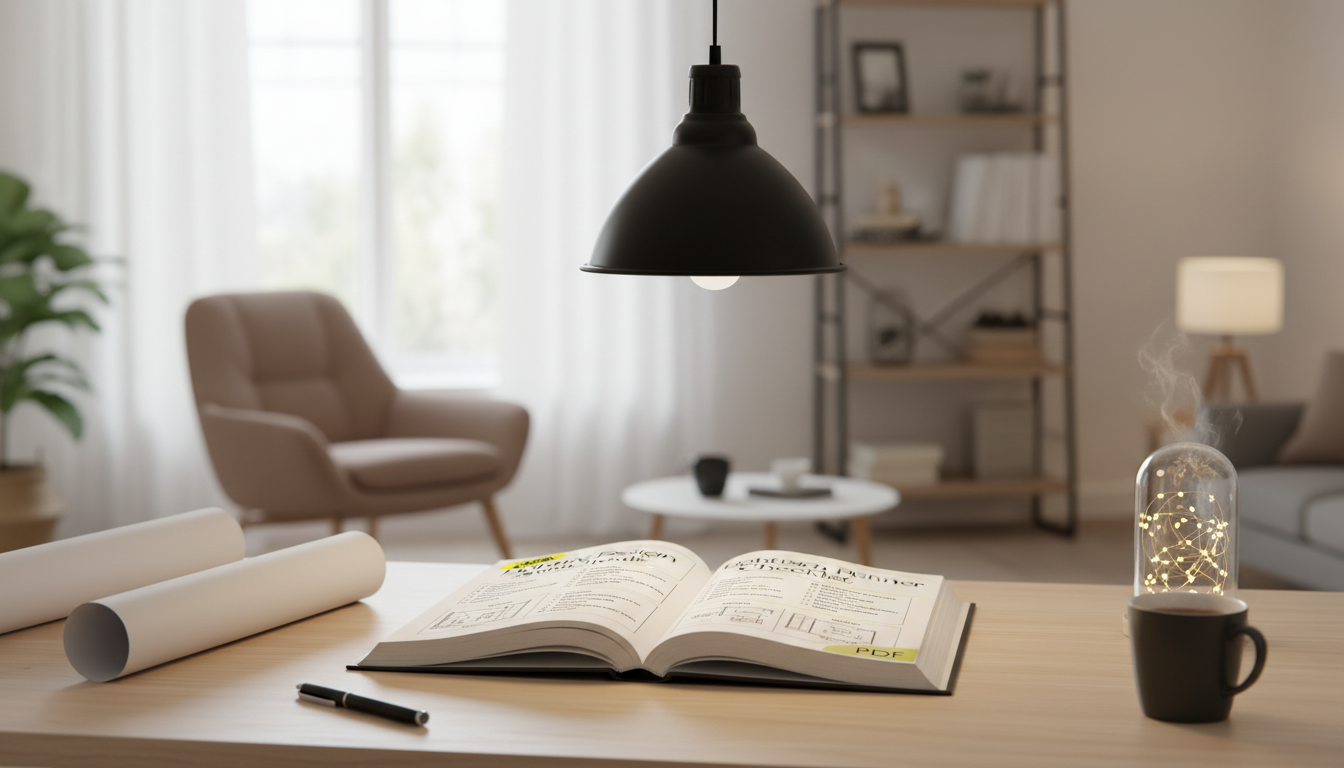
Use this quick checklist to move from decisions to action without missing wiring details, dimmers, or bulb specs. If you want a printable version with worksheet pages and trackers, see Lighting Design Planner Checklist (printable layout guide).
| Step |
What to Decide |
Notes to Record |
| 1. Zones |
Activities and problem areas |
Glare, shadows, dark corners |
| 2. Layers |
Ambient / task / accent for each zone |
Which layer is on which switch |
| 3. Fixtures |
Type, size, finish |
Mounting height, spacing, visual weight |
| 4. Light quality |
Kelvin, CRI, beam angle |
Keep consistent in the same sightline |
| 5. Controls |
Dimmers, scenes, smart switches |
Compatibility with LED drivers/bulbs |
| 6. Shopping list |
Fixtures + bulbs + accessories |
Quantities, model numbers, link to plan |
| 7. Install notes |
Junction boxes, circuits, locations |
Mark on the sketch for your electrician |
Printable Planner Pages to Keep Decisions Organized
To pair lighting with a strong focal point (and make accent lighting look intentional), use Accent Wall Magic Checklist (pair with lighting for dramatic focal points). For deeper technical standards and terminology used by lighting professionals, reference the Illuminating Engineering Society (IES).
FAQ
What’s the simplest way to avoid harsh lighting in a room?
Use multiple layers on separate controls, add diffused or shaded sources at eye level, and rely on dimming instead of a single bright overhead fixture.
How many lights does a living room need?
A practical baseline is three or more light sources (often ambient + task + accent), adjusted for room size and activities, with dimming or separate switching.
Should all bulbs in an open-plan space match color temperature?
Keep bulbs consistent within shared sightlines; small variations can be noticeable, so choose one Kelvin range for the main area and only deviate with intention.
Recommended for you






Leave a comment