Instant Clean: Vinegar Wipe Trick for a Sparkling Home
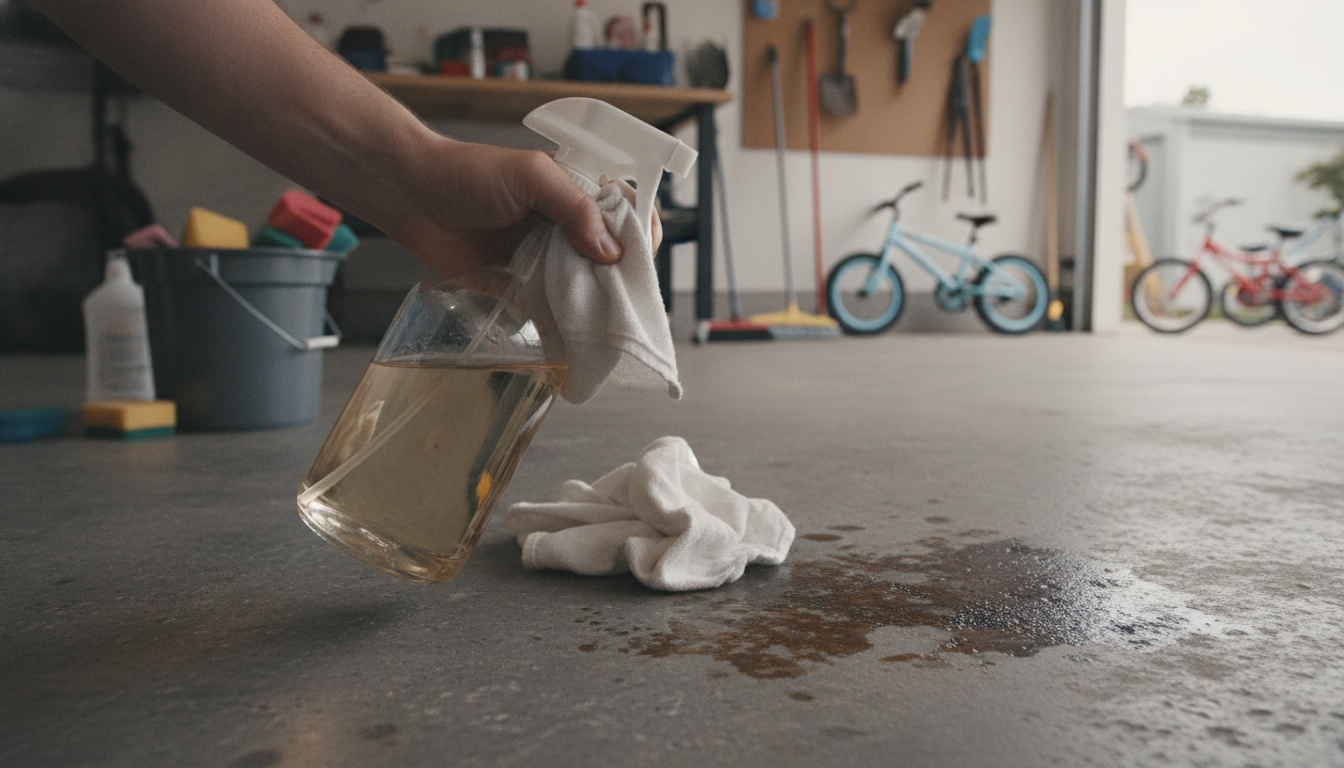
What simple cleaning trick makes a home instantly look cleaner?
Answer
The fastest “instant clean” trick is a quick vinegar wipe-down of the surfaces that catch light and fingerprints—especially kitchen counters, sinks, faucets, and the front of appliances. When those high-visibility spots lose smudges and water marks, the whole room looks freshly cleaned even if you haven’t done a deep scrub.
Mix a simple spray: equal parts white vinegar and warm water in a bottle. Lightly mist the surface, then wipe with a clean microfiber cloth. For faucets and stainless steel, finish with a dry pass to remove streaks and leave a crisp shine.
To make the change feel immediate, do this “clean sweep” in a tight order:
1) Clear clutter from the counter (move items to a tray or cabinet).
2) Spray and wipe the counter edges and backsplash area.
3) Hit the sink basin and faucet last—those reflections make the biggest difference.
4) Dry everything with a fresh cloth so it looks polished, not damp.
Vinegar is a go-to for cutting through mineral spots and everyday grime, but it’s not for every material. Skip it on natural stone like granite or marble, and avoid using it on unsealed grout. For a safe, surface-by-surface checklist plus easy vinegar recipes you can keep on hand, visit this vinegar cleaning guide.
For Instant Clean: Vinegar Wipe Trick for a Sparkling Home, the best answer depends on fit, material, care instructions, and how the product will be used day to day.
Checking those details first helps avoid a poor match and keeps the choice practical after delivery.
For Instant Clean: Vinegar Wipe Trick for a Sparkling Home, the best answer depends on fit, material, care instructions, and how the product will be used day to day.
FAQ
What surfaces should you avoid cleaning with vinegar?
Avoid vinegar on natural stone (granite, marble, travertine), waxed wood, and some delicate finishes because the acidity can dull or etch them. When in doubt, spot-test in an inconspicuous area and use a pH-neutral cleaner for stone.












Leave a comment