Two Mirrors in One Room: Smart Placement Tips
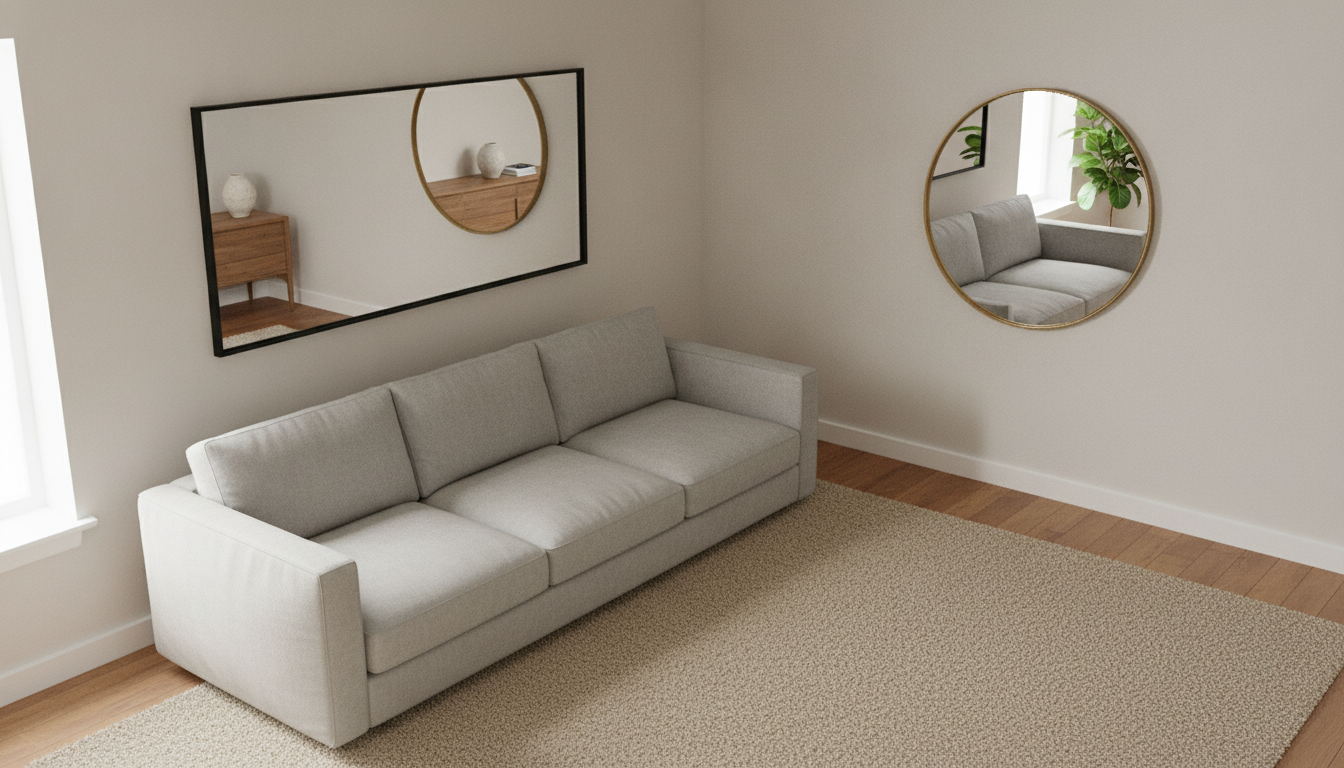
Is it okay to have two mirrors in one room?
Yes—having two mirrors in one room is not only okay, it can be a smart design move. The key is to place them with intention so they add light, balance, and function instead of creating visual clutter or distracting reflections.
When two mirrors work especially well
Two mirrors can make a room feel brighter and more open when they’re positioned to bounce daylight from windows or reflect a pleasant focal point (like artwork or greenery). They’re also practical in busy spaces: an entryway might benefit from one mirror for last-second checks and another to expand a narrow hallway, while a bedroom can use a full-length mirror plus a dresser mirror without competing.
Common placement mistakes to avoid
The main issue isn’t the number of mirrors—it’s what they reflect. Avoid placing mirrors where they reflect clutter, harsh overhead lighting, or an awkward angle that catches you off-guard as you walk by. Also, be cautious with mirrors facing each other; that “infinite reflection” effect can feel chaotic in smaller rooms.
How to make two mirrors feel cohesive
To keep the look intentional, connect the mirrors through a shared detail: similar frame finishes, matching shapes, or complementary scale. If one mirror is a statement piece, let the second one be simpler and more functional so the room doesn’t feel like it has competing focal points.
Need a quick placement checklist?
For a simple way to evaluate where each mirror should go—height, reflection angles, and how to amplify natural light—use this guide: Mirror Placement Checklist to Brighten and Open Any Room.
For Two Mirrors in One Room: Smart Placement Tips, the best answer depends on fit, material, care instructions, and how the product will be used day to day.
FAQ
Where should you avoid placing mirrors in a room?
Avoid spots that reflect clutter, busy doorways, or harsh light sources. If a mirror mostly reflects an unflattering angle or visual mess, it will make the room feel more chaotic rather than larger.









Leave a comment