
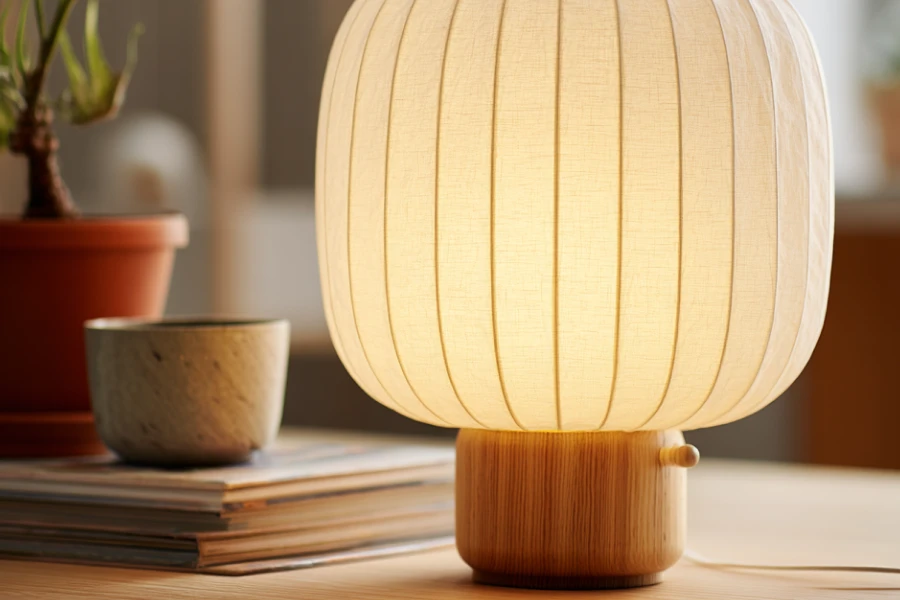
Most homeowners underestimate how dramatically a room lighting planner can transform daily comfort and atmosphere. You may have beautiful furniture and thoughtful decor, yet poor lighting disrupts the entire experience. Harsh shadows, dull corners, and uneven brightness create subtle tension in your space. With a structured approach, you can redesign lighting to support function, mood, and style simultaneously.
Lighting shapes productivity in home offices and relaxation in living rooms without obvious effort. Many people search for practical lighting optimization tips but struggle to apply them consistently. Others collect endless home lighting ideas yet never develop a cohesive plan. A systematic strategy replaces guesswork with intentional design decisions.
The Lighting Balance Planner provides structured guidance for evaluating and improving each room carefully. It helps you assess brightness levels, fixture placement, and layered lighting realistically. Rather than relying on random inspiration, you follow a repeatable framework that delivers measurable improvements.

A room lighting planner encourages you to examine how light interacts with furniture, textures, and architectural features. Many rooms rely on one central fixture that fails to provide balanced illumination. This imbalance creates glare in some areas and darkness in others.
Thoughtful lighting optimization tips emphasize layering ambient, task, and accent lighting strategically. When you combine these layers, you create depth and visual harmony. Balanced light enhances both functionality and atmosphere.
The Lighting Balance Planner outlines step-by-step evaluation exercises for identifying weak spots in your current setup. It guides you through assessing ceiling fixtures, wall sconces, and floor lamps systematically. This structured review helps you make targeted improvements instead of random adjustments.
When you apply a room lighting planner intentionally, you notice immediate improvements in mood and clarity. Balanced lighting reduces eye strain and improves daily comfort significantly.
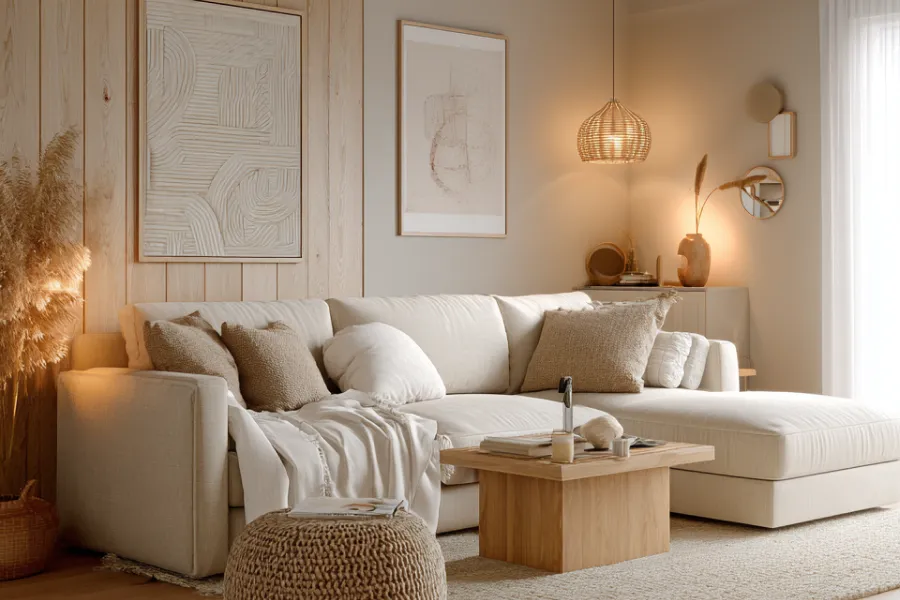
Living rooms require flexibility because they serve multiple functions throughout the day. A room lighting planner helps you adjust brightness according to activities such as reading, entertaining, or watching television. Without layered lighting, you often rely on a single overpowering source.
Home lighting ideas for living rooms include combining floor lamps with adjustable table lamps. Soft accent lights can highlight artwork or architectural features without overwhelming the space. These elements create visual interest while maintaining comfort.
The Lighting Balance Planner provides practical templates for mapping lighting zones within larger rooms. You identify activity areas and assign appropriate light types to each zone. This method improves both functionality and aesthetic appeal.
A structured room lighting planner ensures that shared spaces adapt to changing needs seamlessly. You avoid overly bright evenings and insufficient task lighting during the day.
Bedrooms require a softer, more intimate lighting strategy. Strong overhead lights disrupt relaxation and affect sleep quality negatively. A room lighting planner helps you create a layered system that supports winding down naturally.
Lighting optimization tips for bedrooms include using warm-toned bulbs and dimmable fixtures. Bedside lamps provide targeted illumination without disturbing overall ambiance. Accent lighting can enhance textures while maintaining calm.
The Lighting Balance Planner encourages you to evaluate glare and shadow placement thoughtfully. It includes checklists for ensuring bedside lighting supports reading without causing strain. This attention to detail elevates comfort significantly.
Applying home lighting ideas systematically creates bedrooms that feel serene and balanced. Proper lighting contributes directly to emotional relaxation and improved sleep routines.
Kitchens demand precision because they involve detailed tasks and safety considerations. A room lighting planner identifies where task lighting must supplement general illumination. Under-cabinet lights reduce shadows on countertops effectively.
Layered lighting in kitchens prevents strain during food preparation and cleaning. Strategic placement enhances both safety and aesthetic appeal. Lighting optimization tips emphasize brightness consistency across work surfaces.
The Lighting Balance Planner includes practical diagrams for assessing task lighting coverage. You evaluate each functional zone and adjust fixtures accordingly. This process prevents uneven brightness that disrupts workflow.
Home lighting ideas for kitchens often overlook balance in favor of decorative fixtures. A structured room lighting planner ensures beauty aligns with usability consistently.
Lighting influences how colors and materials appear throughout your home. A room lighting planner encourages you to evaluate bulb temperature and fixture design carefully. Warm lighting enhances wood tones, while cooler lighting highlights modern finishes.
Lighting optimization tips also address how shadows affect perception of space. Properly placed fixtures can make small rooms feel larger and more open. Thoughtful illumination transforms the visual experience dramatically.
The Lighting Balance Planner explains how to balance decorative and functional lighting effectively. It supports aesthetic decisions with practical guidelines. This combination prevents over-lighting or under-lighting common areas.
When you apply structured home lighting ideas, each room gains depth and cohesion. Lighting becomes an intentional design element rather than an afterthought.
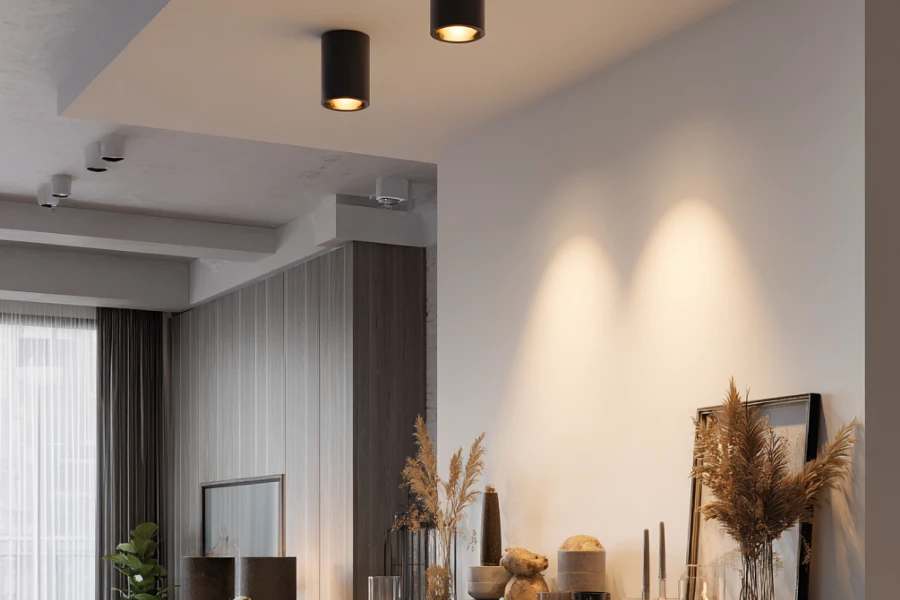
A room lighting planner helps you maintain balance as seasons and routines change. Natural daylight varies throughout the year, influencing interior brightness significantly. Regular assessments ensure artificial lighting compensates appropriately.
You can schedule periodic reviews to adjust bulb types or fixture angles. Small refinements maintain comfort and visual harmony. This habit prevents gradual imbalance from developing unnoticed.
The Lighting Balance Planner provides maintenance checklists that simplify long-term management. These tools encourage proactive adjustments rather than reactive fixes. Structured guidance supports lasting improvements.
When you implement a room lighting planner thoughtfully, your home feels brighter, more balanced, and intentionally designed. Proper lighting enhances productivity, relaxation, and visual clarity every day. Through organized planning and strategic adjustments, you create a living environment that truly supports your lifestyle.

If you have any questions, here are some useful links:








Leave a comment