
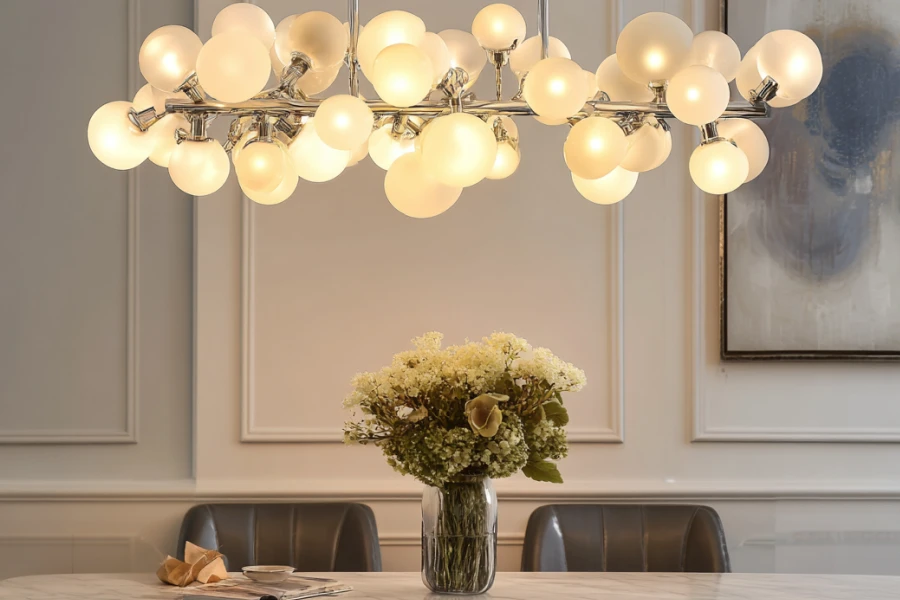
Lighting optimization tips can change how your entire home feels without moving a single wall. Many homeowners focus on furniture and color palettes while ignoring the power of balanced lighting. Poor illumination creates shadows, glare, and discomfort that no decor can fix. Thoughtful adjustments bring warmth, clarity, and visual harmony.
Every room serves multiple purposes throughout the day. Kitchens host cooking, working, and gathering. Living rooms shift between productivity and relaxation. Without layered lighting, spaces feel either too harsh or too dim.
That is where structured planning makes a measurable difference. The Lighting Balance Planner Checklist provides a clear framework for evaluating and improving your setup. Instead of guessing bulb strength or fixture placement, you follow an organized system.
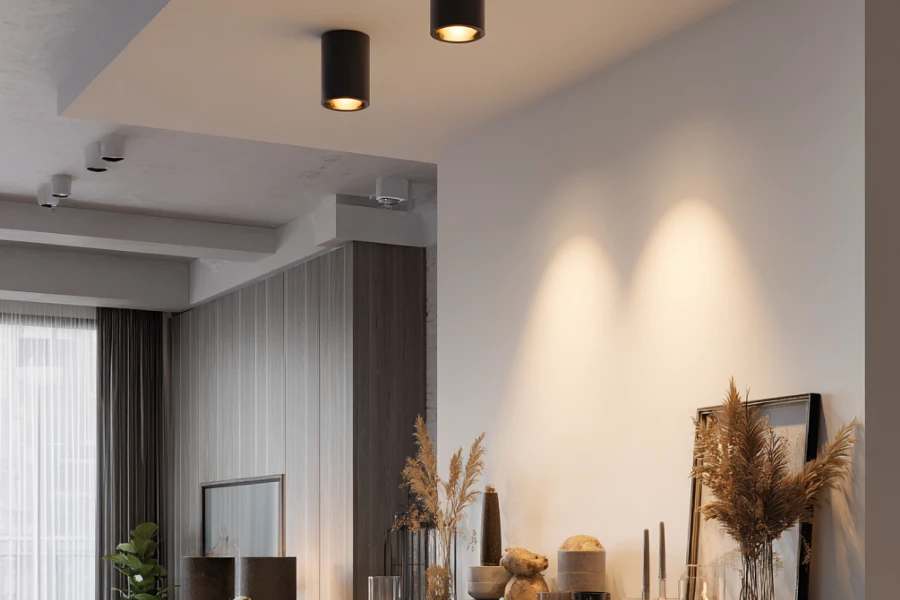
Lighting optimization tips begin with understanding the three core layers of light. Ambient lighting establishes overall brightness and prevents harsh contrast. Task lighting supports focused activities such as reading or cooking. Accent lighting highlights architectural details and decor.
Many homes rely only on overhead fixtures, which create flat and uninviting environments. Layered illumination adds depth and dimension. Table lamps, wall sconces, and under-cabinet strips contribute significantly.
A thoughtful room lighting planner helps you map these layers clearly before making changes. You identify dark corners and overexposed zones quickly. Visual balance improves when each layer supports the others.
The Lighting Balance Planner Checklist includes structured evaluation worksheets and placement diagrams. These tools simplify decisions and eliminate trial-and-error frustration.
Lighting optimization tips should address both aesthetic appeal and practical comfort. Harsh white bulbs often cause eye strain and fatigue. Warmer tones create inviting atmospheres in social spaces.
Color temperature plays a critical role in room perception. Cooler light enhances focus in work areas. Softer light promotes relaxation in bedrooms and lounges.
Home lighting ideas often fail because they ignore scale and proportion. Oversized fixtures overwhelm small rooms. Undersized lighting leaves areas visually disconnected.
A structured room lighting planner ensures correct fixture selection and placement. The Lighting Balance Planner Checklist guides readers through wattage comparison and beam angle analysis. It also provides a checklist for testing brightness before final installation.
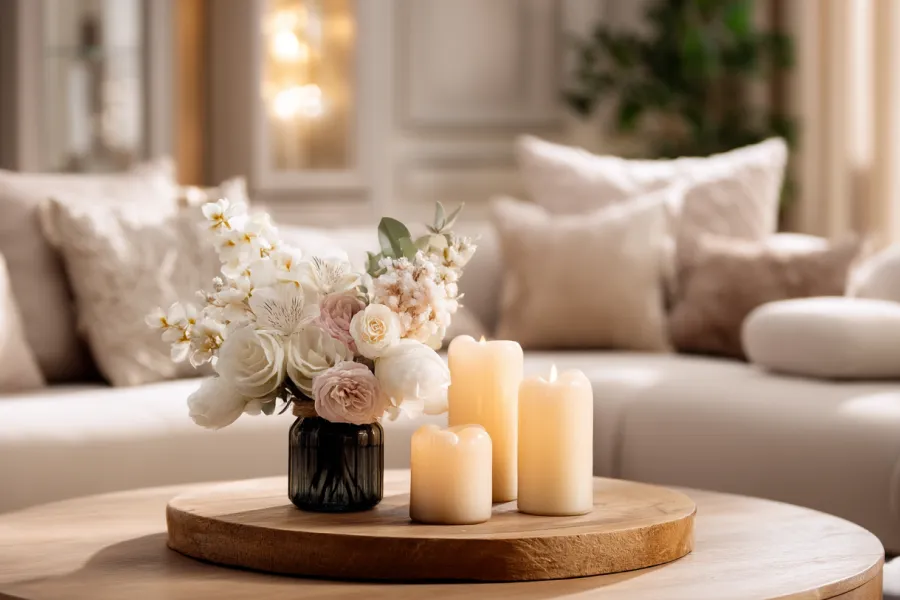
Lighting optimization tips apply differently depending on room size and ceiling height. Smaller spaces benefit from reflective surfaces and strategically placed mirrors. Proper positioning amplifies natural light without adding clutter.
Larger rooms require multiple light sources to prevent shadow pockets. Dividing the space into functional zones improves consistency. You should place task lighting directly where activity occurs.
Home lighting ideas should evolve with lifestyle changes. Remote work, family gatherings, and evening relaxation demand flexible lighting solutions. Adjustable dimmers and smart controls increase adaptability.
The Lighting Balance Planner Checklist offers zoning templates that help homeowners define lighting needs clearly. It ensures each corner receives appropriate illumination.
Many homeowners install lights too high or too low without measuring eye level. Incorrect placement causes glare and uneven brightness. Thoughtful alignment prevents discomfort.
Another common mistake involves mixing incompatible bulb temperatures. Combining warm and cool lights within the same space creates visual tension. Consistency enhances cohesion.
Neglecting natural daylight patterns also weakens design strategy. Rooms receive different sunlight intensities throughout the day. Planning around windows maximizes efficiency.
A reliable room lighting planner addresses these pitfalls proactively. The Lighting Balance Planner Checklist includes daylight assessment guides and corrective recommendations. It transforms reactive fixes into intentional improvements.
Lighting optimization tips impact emotional wellbeing more than many homeowners realize. Dim environments can reduce motivation and energy. Excessively bright spaces increase agitation and distraction.
Balanced lighting supports concentration and relaxation simultaneously. Soft evening light signals the body to wind down naturally. Bright, clear illumination enhances alertness during daytime tasks.
Home lighting ideas that align with circadian rhythms promote healthier sleep patterns. Thoughtful adjustments contribute to better focus and reduced stress. Lighting becomes a functional wellness tool rather than just decoration.
The Lighting Balance Planner Checklist integrates mood-based lighting strategies into practical planning sheets. It encourages homeowners to design with intention rather than impulse.
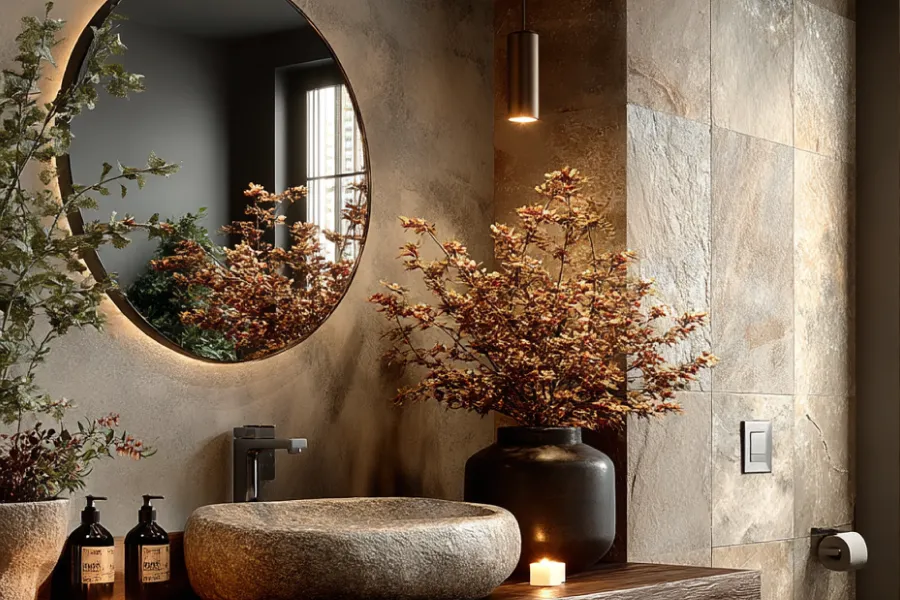
Begin by evaluating one room thoroughly before expanding changes throughout the house. Identify areas where shadows dominate or glare appears excessive. Replace mismatched bulbs with consistent color temperature.
Add one task light in a frequently used zone and observe the difference. Introduce a dimmer switch to increase flexibility during evenings. Small changes accumulate quickly.
Lighting optimization tips work best when applied consistently and methodically. A structured room lighting planner reduces confusion and clarifies priorities. You move from scattered fixtures to cohesive illumination.
The Lighting Balance Planner Checklist combines printable checklists, placement diagrams, and guided evaluation forms. It supports smarter decisions, improved balance, and enhanced visual harmony. With careful planning and practical guidance, any room can shift from flat and uneven to warm, functional, and beautifully lit.

If you have any questions, here are some useful links:








Leave a comment