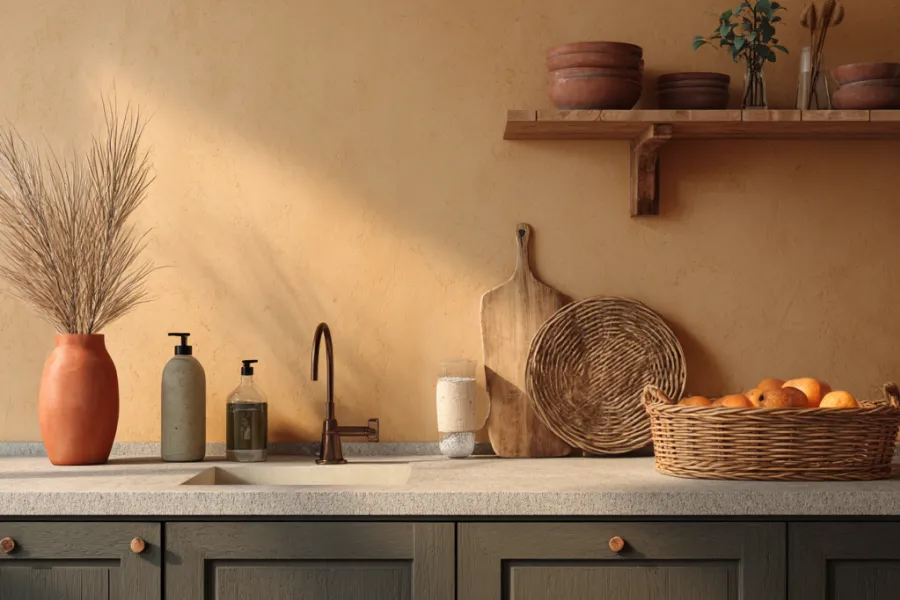
Minimalist home ideas offer more than visual simplicity; they create emotional clarity inside modern living spaces. Many homeowners feel overwhelmed by clutter, noise, and constant visual distraction. A carefully curated environment restores focus and supports daily wellbeing. Intentional design choices replace chaos with balance.
Modern households juggle work, family, and digital demands continuously. Without thoughtful structure, rooms quickly accumulate unnecessary objects and visual clutter. Calm living design begins with editing rather than adding. Subtraction often creates more impact than decoration ever could.
The Calm & Stylish Living eBook Guide walks readers through practical methods for simplifying without sacrificing warmth. It translates aesthetic theory into achievable steps for real homes.
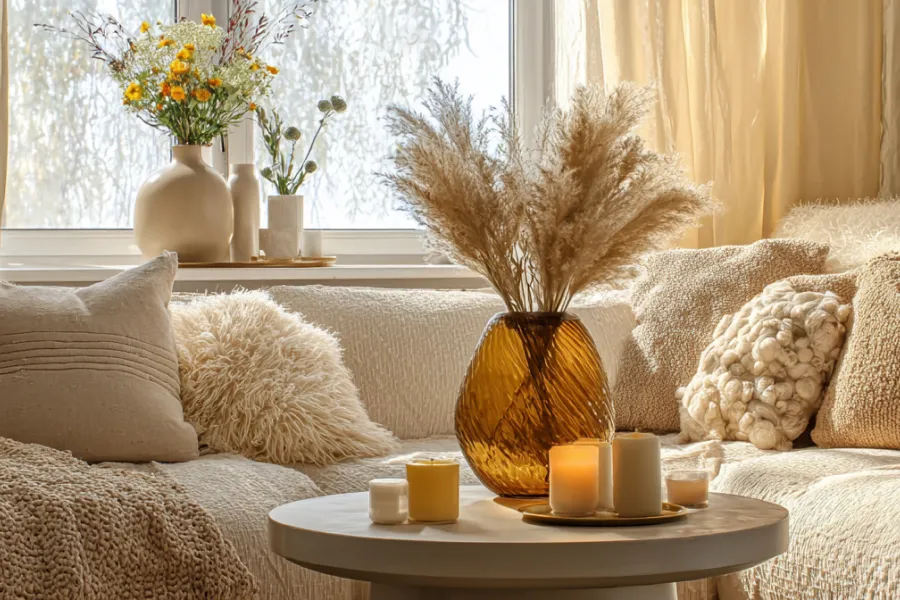
Minimalist home ideas start with identifying what truly supports your daily life. Every object should serve a purpose or bring meaningful joy. When items compete for attention, stress levels rise subtly.
Calm living design relies on clear surfaces and thoughtful spacing. Open visual lines encourage relaxation and easier movement throughout the home. Strategic lighting enhances this effect by reducing harsh shadows.
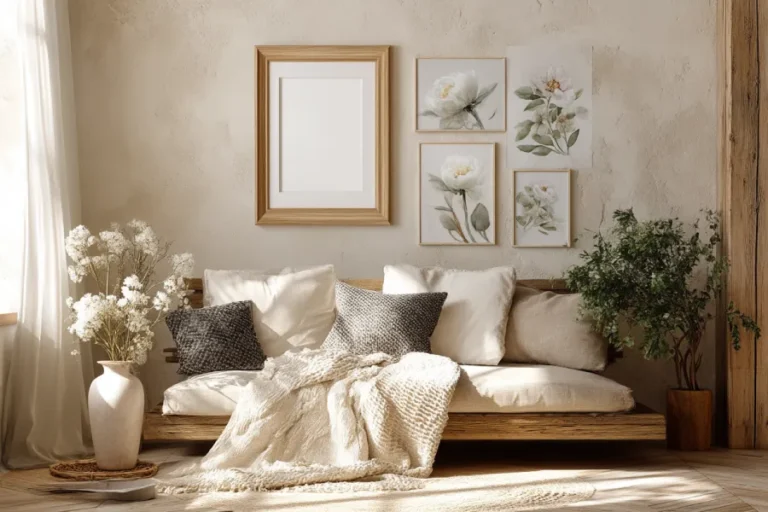
Color palettes also influence mood significantly. Neutral tones combined with natural textures create depth without visual overload. Layered fabrics and organic materials soften minimalist spaces without cluttering them.
The Calm & Stylish Living eBook Guide includes room-by-room editing frameworks and layout suggestions. These tools help homeowners evaluate what to keep, reposition, or remove.
Minimalist home ideas do not eliminate personality; they refine it intentionally. Modern home style thrives on clean lines, curated accents, and functional elegance. Carefully selected statement pieces anchor each room.
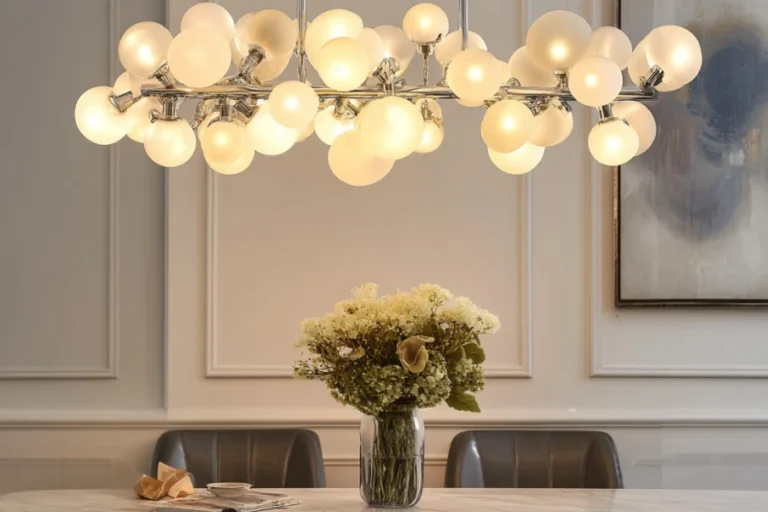
Instead of filling shelves with random decor, choose fewer objects with stronger impact. Sculptural lighting fixtures or textured rugs add depth without overwhelming the eye. Intentional contrast enhances sophistication.
Furniture placement also shapes perception of space. Leave breathing room around major pieces to emphasize scale. Balanced proportions create visual harmony.
The Calm & Stylish Living eBook Guide outlines practical styling techniques for modern home style transitions. It offers visual planning prompts and layout sketches that simplify decision-making.
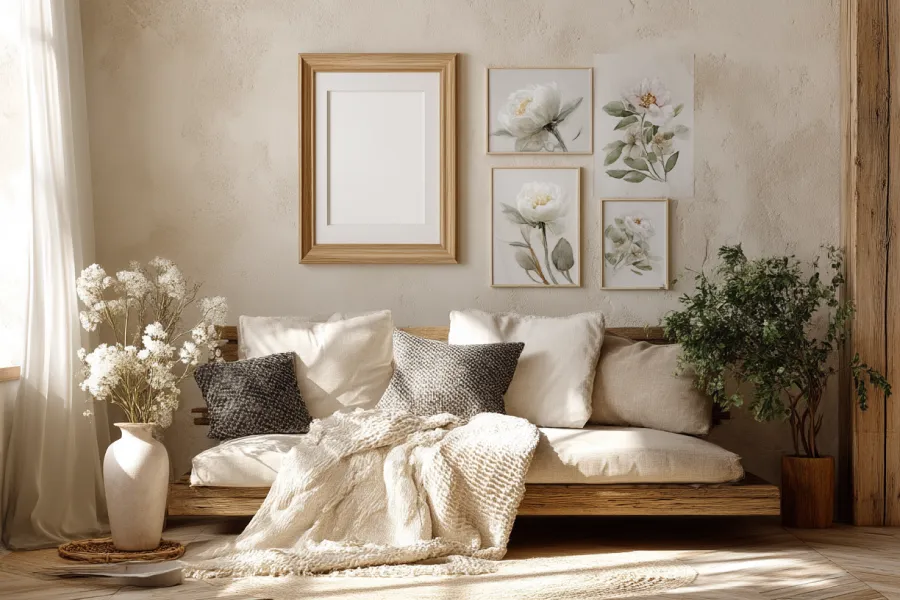
Minimalist home ideas must support daily routines rather than complicate them. Storage solutions should remain discreet yet accessible. Hidden compartments and streamlined shelving maintain visual calm.
Multi-functional furniture maximizes efficiency in smaller spaces. Foldable desks and modular seating adapt to evolving needs. Flexibility ensures that simplicity never limits practicality.
Decluttering also improves mental clarity. Clear countertops encourage focused cooking and creative activity. Organized entryways reduce morning stress and decision fatigue.
The Calm & Stylish Living eBook Guide provides printable decluttering checklists and storage strategies. These resources transform intention into measurable progress.
Many homeowners misinterpret minimalism as sterile emptiness. Removing warmth eliminates comfort and personality. Thoughtful layering prevents this imbalance.
Another frequent mistake involves over-purging impulsively. Sustainable change requires gradual refinement rather than extreme reduction. Balanced editing preserves functionality and comfort.
Ignoring texture can also flatten visual interest. Natural wood, linen, and stone introduce depth while maintaining simplicity. Calm living design benefits from tactile variety.
The Calm & Stylish Living eBook Guide addresses these misconceptions with clear examples and corrective guidance. It demonstrates how restraint enhances rather than restricts expression.
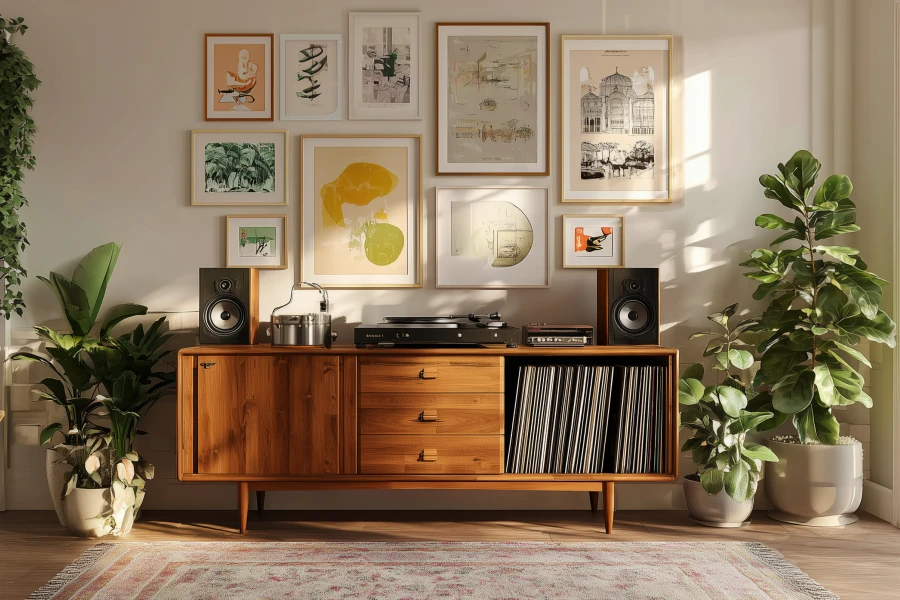
Minimalist home ideas influence mental clarity and emotional balance significantly. Clutter overloads cognitive processing and increases subtle stress. Simplified spaces reduce visual noise and promote calm.
Morning routines feel smoother when surfaces remain organized. Evenings feel more restorative when lighting and decor encourage relaxation. A cohesive environment supports healthier habits naturally.
Modern home style combined with calm living design fosters focus and productivity. Clean lines reduce distraction during work-from-home hours. Thoughtful decor supports restful sleep and deeper relaxation.
The Calm & Stylish Living eBook Guide integrates design psychology insights with actionable templates. It guides readers toward sustainable transformation instead of temporary aesthetic changes.
Begin with one room rather than attempting a full-home overhaul. Evaluate what serves your daily activities and what creates friction. Remove unnecessary duplicates and reassess layout.
Focus on lighting adjustments to enhance calm atmosphere quickly. Replace harsh bulbs with warmer tones. Rearrange furniture to improve flow and openness.
Minimalist home ideas succeed through consistency and intention. Small, deliberate changes accumulate into meaningful transformation. Calm living design becomes a lifestyle rather than a temporary project.
The Calm & Stylish Living eBook Guide combines structured planning worksheets, room-by-room frameworks, and modern home style inspiration. It supports thoughtful decluttering, intentional styling, and practical storage optimization. With the right guidance, any home can evolve into a peaceful, stylish retreat that reflects clarity, purpose, and refined simplicity.


Leave a comment