The 4 AI Prompt Parts for Better Home Design Results
What are the four prompts for AI?
Answer
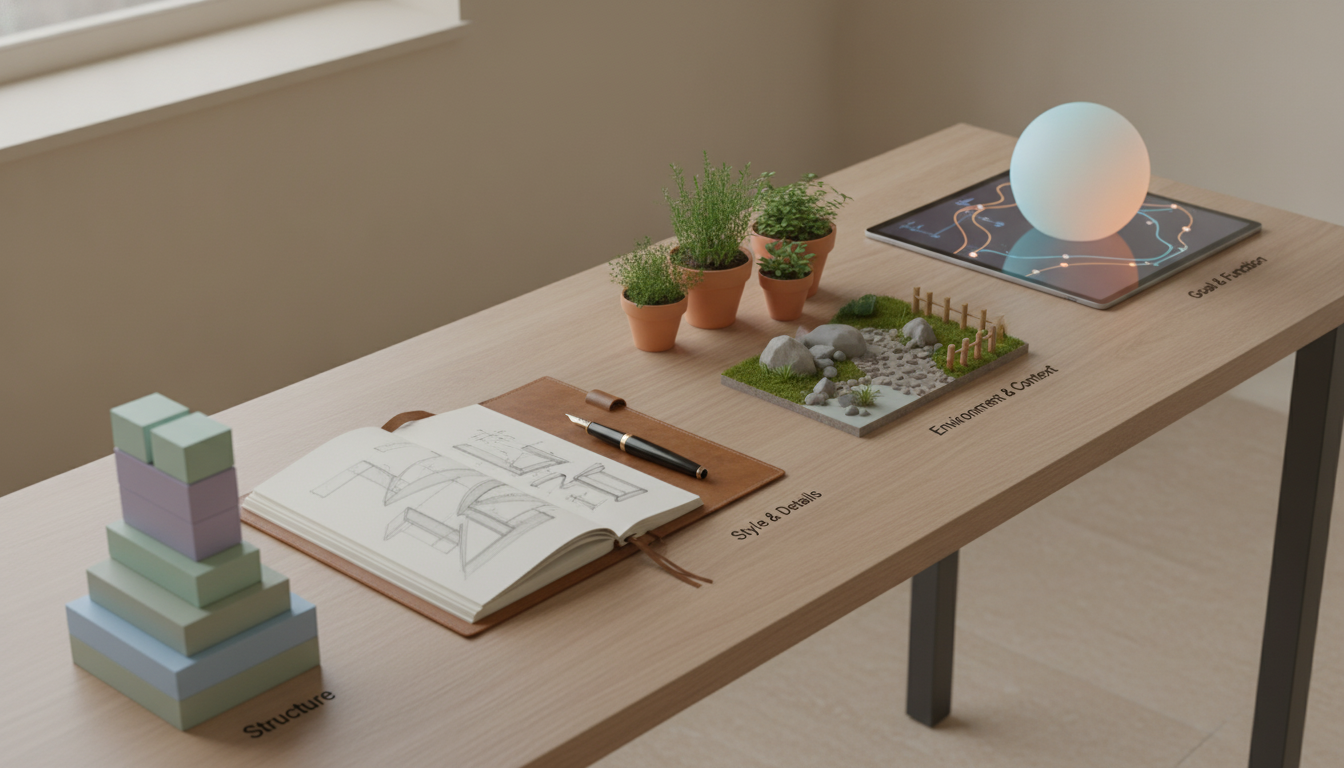
The “four prompts” for AI are best understood as four core pieces of information you give an AI tool so it can produce a useful, on-target result. Instead of tossing in a single vague sentence, these four elements create a complete request that’s easier for AI to follow—especially for visual tasks like home design ideas.
1) The goal (what you want made)
Start with a clear outcome: a room concept, a layout idea, a shopping list, a color palette, or a styled scene. Example: “Create a living room concept” or “Suggest a studio apartment layout.”
2) The context (what you’re working with)
Add the situation and constraints the AI should respect: room type, approximate size, existing features, and who uses the space. Example: “Small 10×12 bedroom with one window, needs a work-from-home desk.”
3) The style direction (how it should look and feel)
Choose an aesthetic and mood so the output isn’t random: modern farmhouse, Scandinavian, mid-century, coastal, minimalist, warm and cozy, bright and airy, and so on. Mention preferred colors/materials if they matter.
4) The rules and details (must-haves and don’t-wants)
List the non-negotiables: budget range, storage needs, pet-friendly fabrics, “no clutter,” “avoid black furniture,” or “include space for a sectional.” This is where you prevent results that look good but don’t fit real life.
For ready-to-use examples tailored to rooms, layouts, and decor styles, see the full guide here: https://touchcasa.com/guide-ai-home-design-prompts-guide-layouts-styles-ideas/.
For The 4 AI Prompt Parts for Better Home Design Results, the best answer depends on fit, material, care instructions, and how the product will be used day to day.
FAQ
How do you get better home design results from AI tools?
Be specific about the room, the style, and the limitations (size, budget, must-keep items), then add a few concrete details like colors, materials, and a short list of must-have furniture pieces.










Leave a comment