Make an Accent Wall Stand Out: Color, Texture & Light
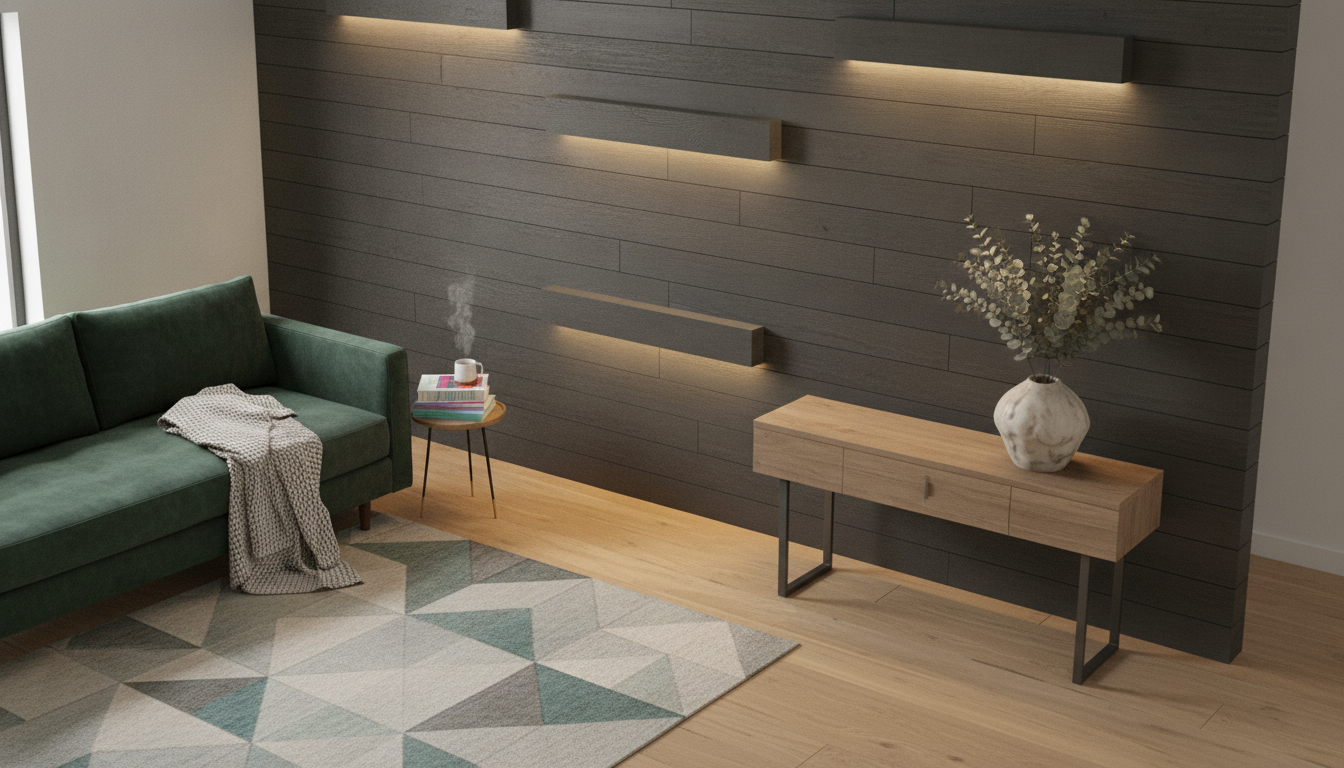
How to make an accent wall stand out?
An accent wall stands out when it has a clear job: create a focal point, add depth, or highlight a feature worth noticing. Start by choosing the wall your eyes naturally land on when you enter the room—often the wall behind a bed, sofa, fireplace, or dining table. If you pick a “random” wall, even a great color can feel disconnected.
Choose contrast on purpose
The simplest way to make an accent wall pop is contrast. Go darker than the surrounding walls for drama, or go brighter for energy. If the room already has bold furniture or rugs, consider a deeper, moodier shade so the wall anchors the space instead of competing with it. In lighter rooms, a saturated color or a high-contrast paint sheen (like eggshell on the accent wall with matte elsewhere) can add definition without feeling busy.
Add texture, not just color
Color is only one tool. Wood slats, board-and-batten, shiplap, limewash, or a subtle plaster finish catches light differently throughout the day, which makes the wall feel more dynamic. Even removable wallpaper can create a strong focal point—especially large-scale patterns that read clearly from across the room.
Frame it with lighting and decor
Lighting is a cheat code for impact. A pair of sconces, a picture light, or a floor lamp aimed toward the wall enhances depth and makes finishes look richer. Then style with intention: choose fewer, larger pieces (like one oversized artwork) rather than many small items that visually “pepper” the wall. If there’s trim, built-ins, or a fireplace, highlighting those edges helps the accent wall look deliberate and architectural.
Prep and paint like it matters
Crisp lines and a smooth finish make an accent wall look expensive. Patch holes, sand rough spots, clean grime, and use primer when needed—especially when covering dark colors or painting over glossy surfaces. For a step-by-step checklist on choosing the wall, prepping, and nailing the finish, follow this DIY accent wall guide.
FAQ
What color should I choose for an accent wall?
Pick a color that contrasts with nearby walls and ties into existing elements like rugs, art, or upholstery. If you want maximum impact, choose a deeper version of a color already present in the room.












Leave a comment