How Many Toys Should Be in a Child’s Room?
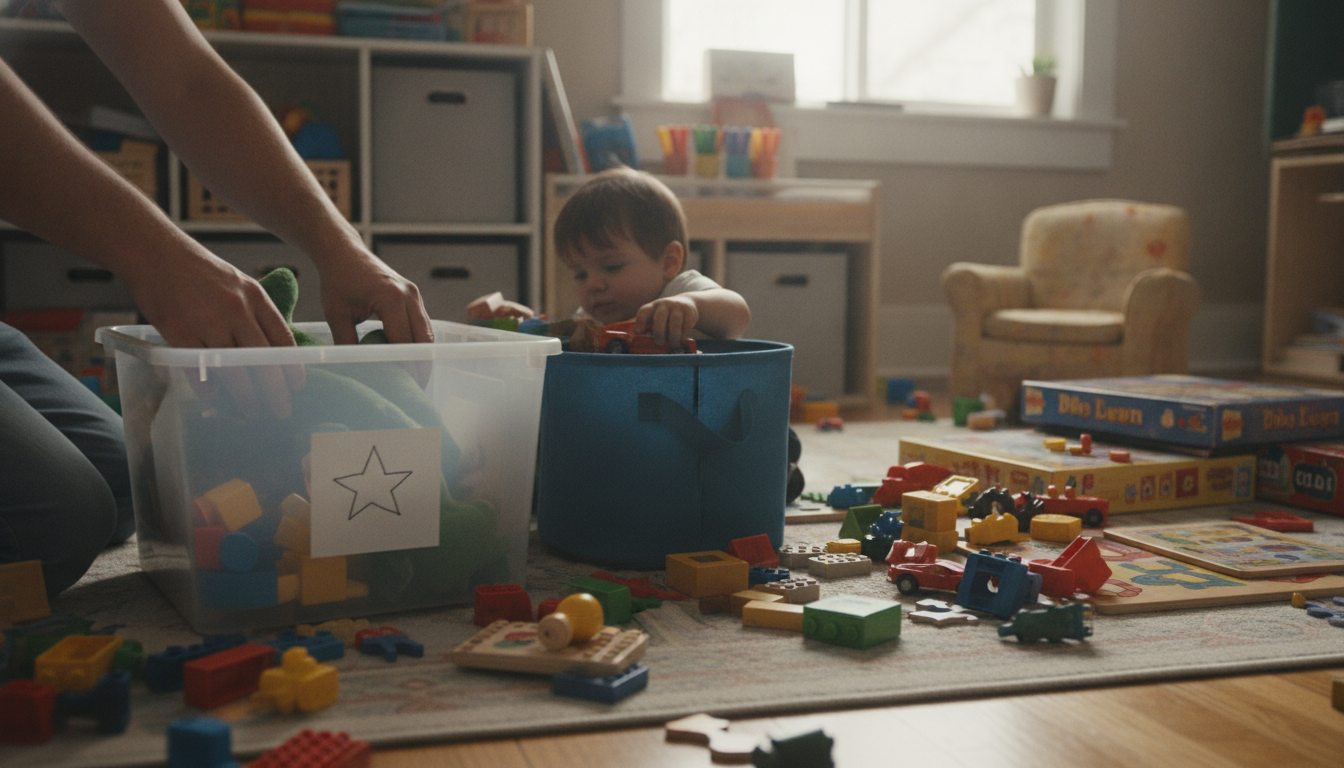
How many toys should a child have in their room?
There isn’t one perfect number, but a practical target for most families is to keep only what comfortably fits in your child’s storage—without stacking, overflowing bins, or toys constantly ending up on the floor. For many rooms, that lands around 20–40 easy-to-access toys (including books, dolls, cars, and small play sets), with the rest stored elsewhere and rotated in.
The best “number” is the amount your child can help manage. If cleanup routinely takes longer than play, or your child seems to bounce between toys without settling, it’s usually a sign there are too many options out at once.
A simple way to choose the right amount
Try this three-part check:
- Space check: Each category (blocks, pretend play, vehicles, crafts) should have a defined home. If you can’t label where it goes, it’s too much for the room.
- Attention check: Keep enough variety for creativity, but not so much that it feels like visual clutter. A smaller “menu” often leads to deeper play.
- Maintenance check: If your child (with age-appropriate help) can reset the room in 5–10 minutes, the toy count is usually in a healthy range.
What to keep in the room vs. elsewhere
Keep daily favorites and open-ended toys in the room—think building toys, dress-up basics, a few vehicles, dolls or figures, and a small book selection. Store big sets with lots of pieces, seasonal items, and “not currently loved” toys in a closet, bin system, or another area so the room stays calm and usable.
Make it easy with toy rotation
Toy rotation is a low-stress way to reduce clutter without getting rid of everything. Leave a curated set in the room and swap in stored toys every couple of weeks. If you want a step-by-step reset approach, follow the printable toolkit and plan here: toy and playroom organizer toolkit.
FAQ
How do you organize toys so kids can clean up themselves?
Use open bins and low shelves with simple labels, group toys by type, and limit each bin to one category so putting items back is obvious. Keep the most-used toys at your child’s height and store “grown-up help” toys higher up.










Leave a comment