DIY Natural Cleaning Products: Easy Recipes & Safety
How do I make my own natural cleaning products?
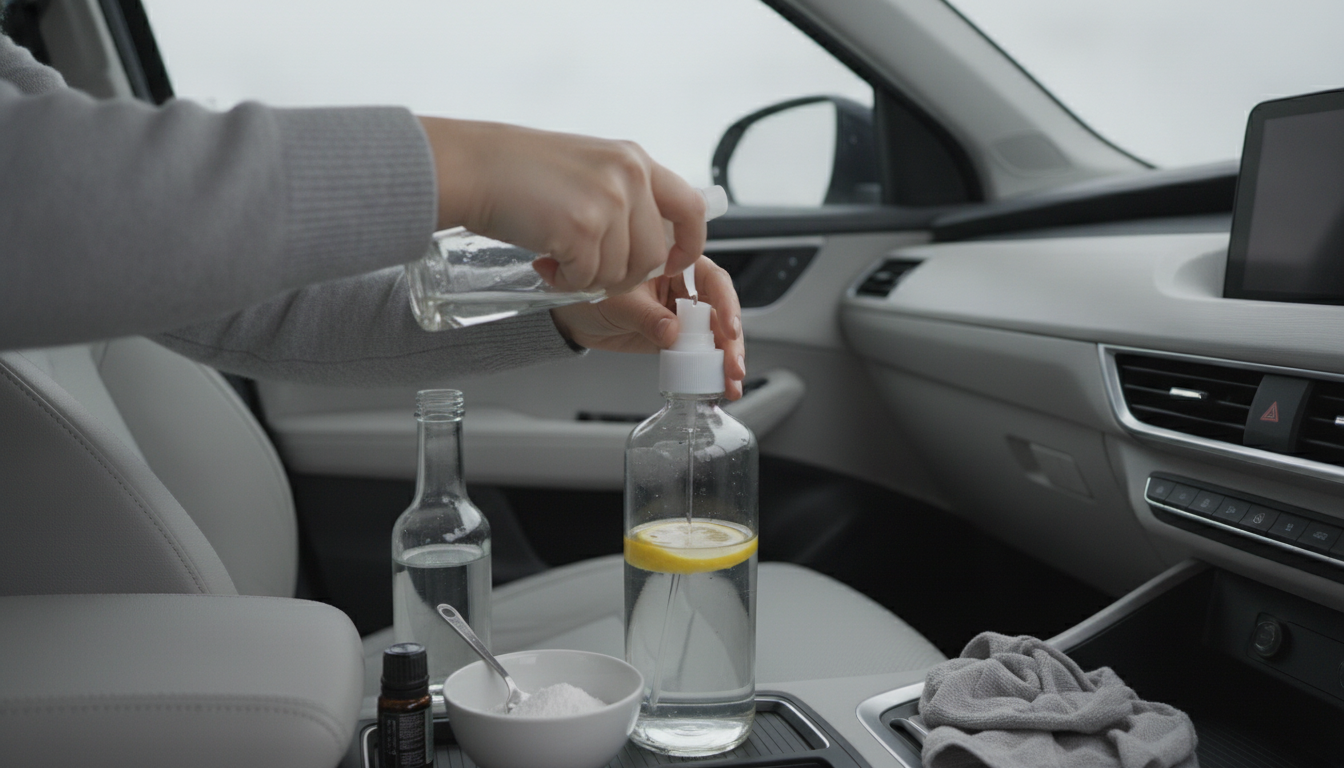
Making natural cleaning products at home is mostly about choosing a few proven ingredients, mixing them in the right ratios, and storing them safely. With staples like distilled white vinegar, baking soda, castile soap, and a few essential oils (optional), you can cover most everyday cleaning tasks without a cabinet full of specialty bottles.
Start with a small “core” ingredient kit
Keep it simple: distilled white vinegar (degreasing and deodorizing), baking soda (gentle scrubbing), unscented castile soap (general washing), hydrogen peroxide (spot disinfecting), and microfiber cloths (better pickup with less product). If you like fragrance, add a few drops of essential oil, but treat it as optional—not the cleaning power source.
Mix a few reliable, multi-purpose recipes
All-purpose spray (great for sealed surfaces): Combine equal parts water and distilled white vinegar in a spray bottle. Lightly mist, let it sit for a minute, then wipe dry for a streak-free finish.
Soft scrub paste: Mix baking soda with a little water until it forms a spreadable paste. Use it on sinks, tubs, and stovetops, then rinse well.
Soap-and-water cleaner (for vinegar-sensitive areas): Add a small squirt of castile soap to warm water in a spray bottle. Shake gently and use on general grime where you don’t want an acidic cleaner.
Know where vinegar does and doesn’t belong
Vinegar is useful, but it isn’t universal. Avoid using it on natural stone (like marble or granite), unsealed grout, and waxed wood, where acidity can dull or etch finishes. For a detailed, surface-by-surface breakdown plus simple vinegar-based recipes, use this checklist: https://touchcasa.com/guide-vinegar-cleaning-checklist-safe-surfaces-recipes/.
Follow basic safety rules
Label every bottle, keep mixtures away from kids and pets, and never combine vinegar with bleach. Also avoid mixing hydrogen peroxide with vinegar in the same container—use them separately and rinse between products when needed.
FAQ
What should I not mix when making DIY cleaners?
Never mix bleach with vinegar or ammonia, as it can create dangerous fumes. Also don’t combine hydrogen peroxide and vinegar in the same bottle; use one at a time and rinse surfaces between applications.










Leave a comment